



Laser Cleaning Needs a Field-Ready Process, Not Just More Power
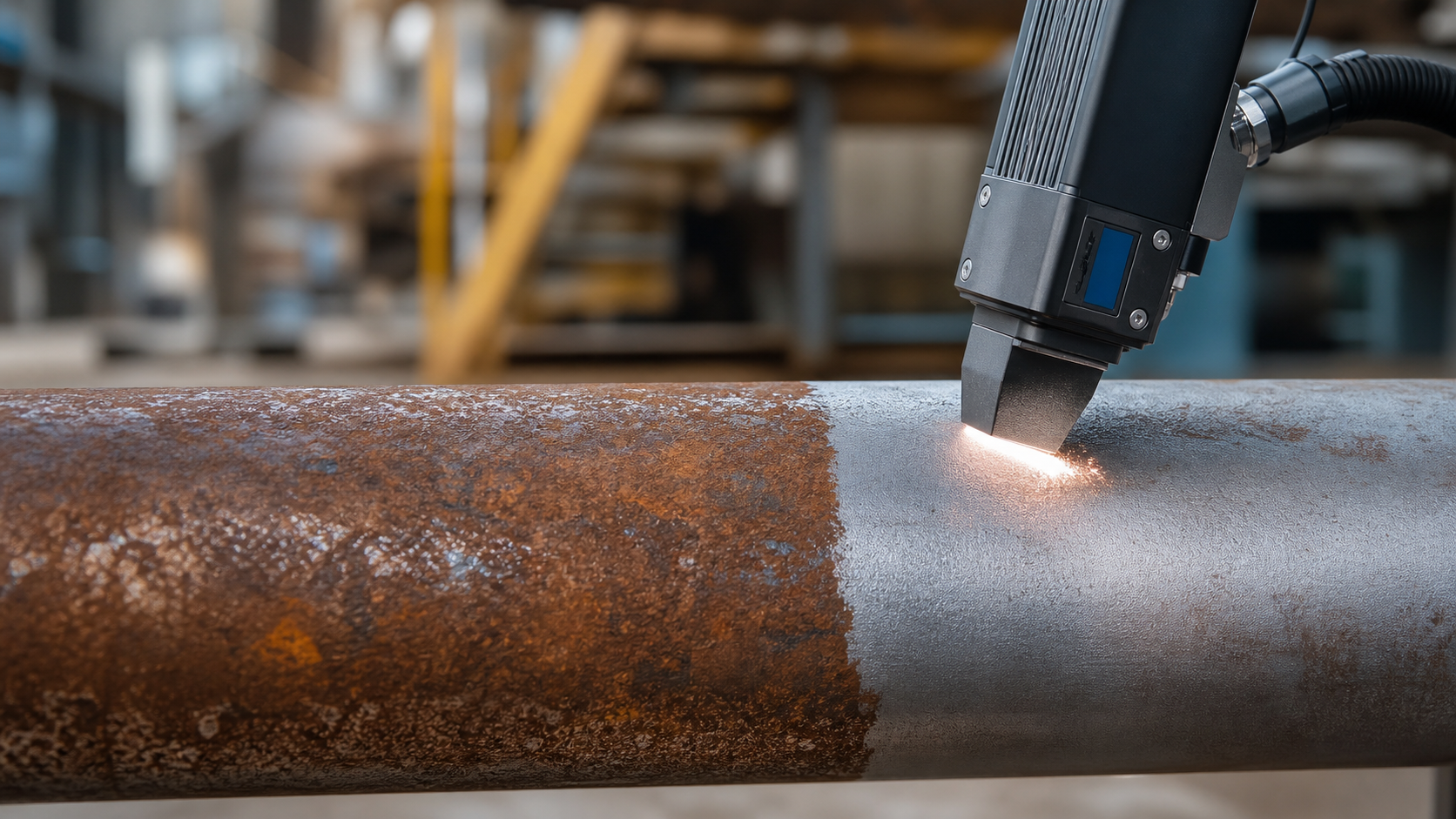
Laser cleaning has attracted attention as a surface treatment alternative to blast processing. However, laser technology does not automatically resolve field challenges. What matters is not simply introducing laser technology, or increasing output, but designing the entire process to suit the target material, removal layer, and working environment.
The Background Driving Laser Cleaning: The Limitations of Blast Processing
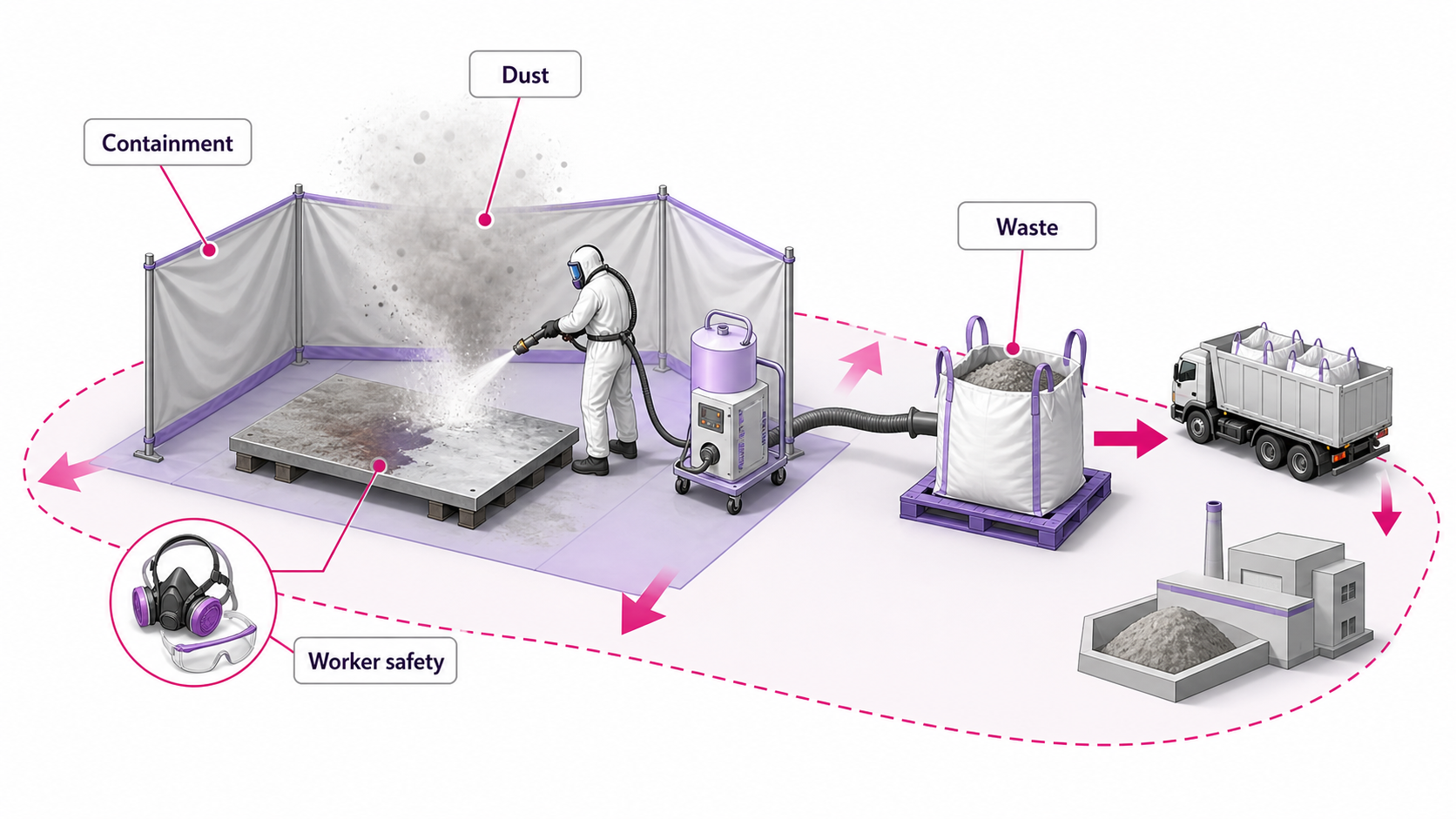
Conventional blast processing is a surface treatment that propels abrasive material against the target to physically remove rust and coatings. While effective at removal, it generates dust and waste, requiring containment measures, preparation work, waste disposal, and worker safety management.
Against this background, laser cleaning technology — which can suppress the large quantities of dust and waste from blast materials — attracted significant attention. However, challenges remain with laser cleaning as well.
Higher Power Alone Does Not Reach the Field
In laser cleaning, the instinct to increase power to improve removal speed is common. However, higher power brings not only a larger oscillator but also larger power supplies, cooling systems, housings, and safety measures.
The result is equipment that may have high removal capability on paper but cannot be brought in, cannot be brought close to the target, or cannot accommodate the work flow. Equipment that cannot be used in the field cannot work as a production or construction process, regardless of how high the output is.
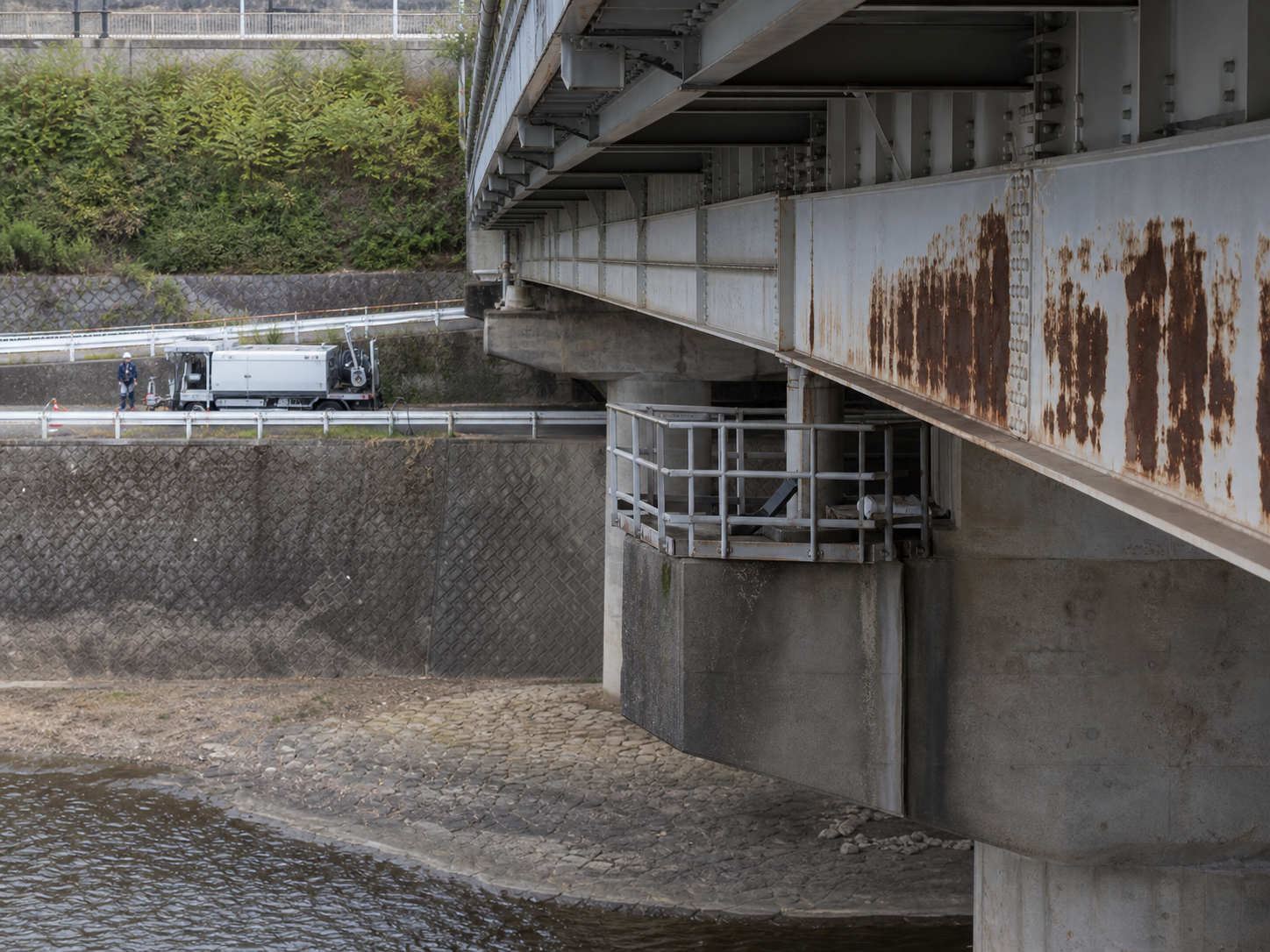
In particular, bridge and transport infrastructure rust removal — where demand is high — often requires work at height, making lightweight design and maneuverability critical challenges.
Field-Ready Laser Cleaning Designs for Reaction, Not Output
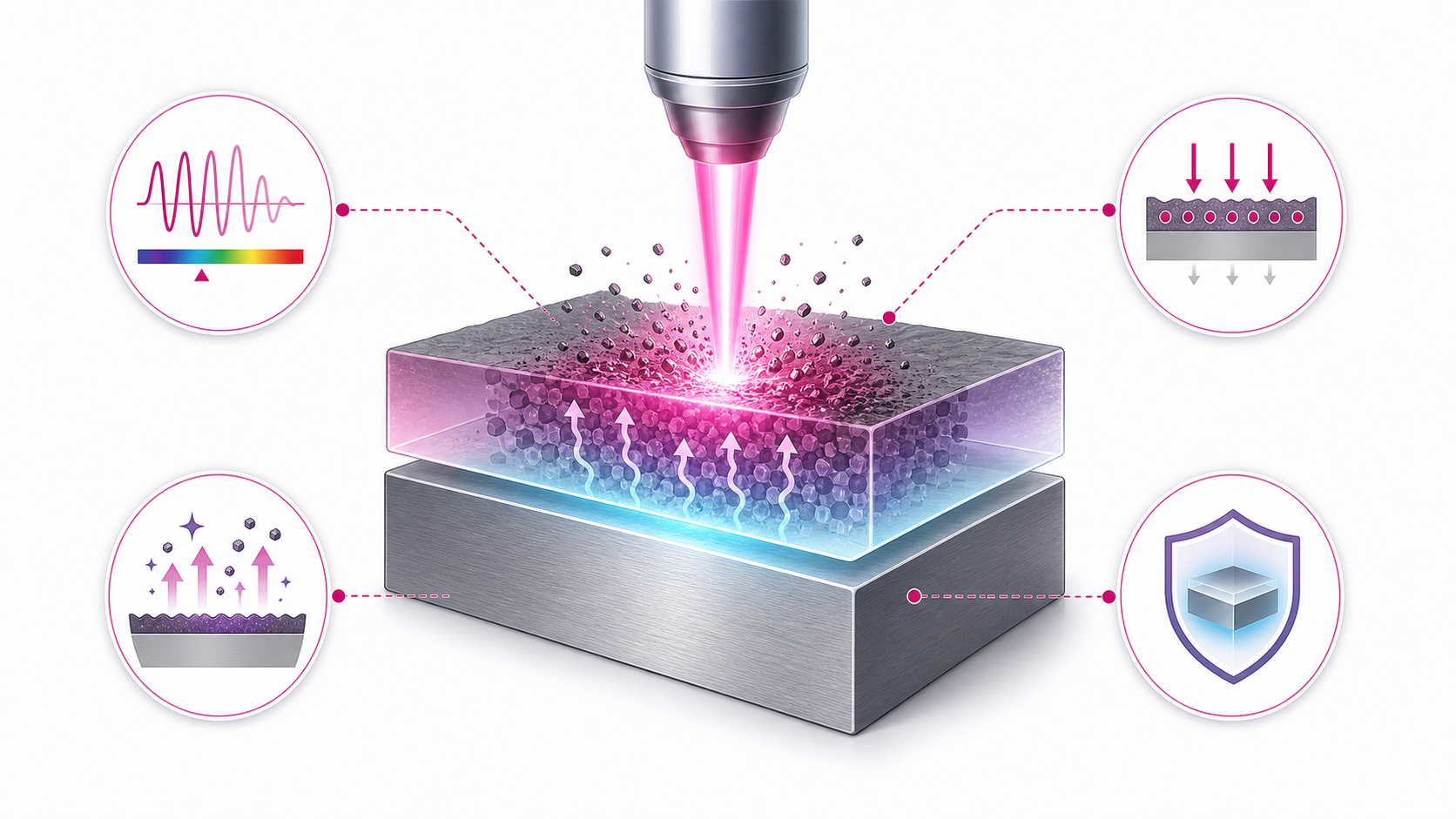
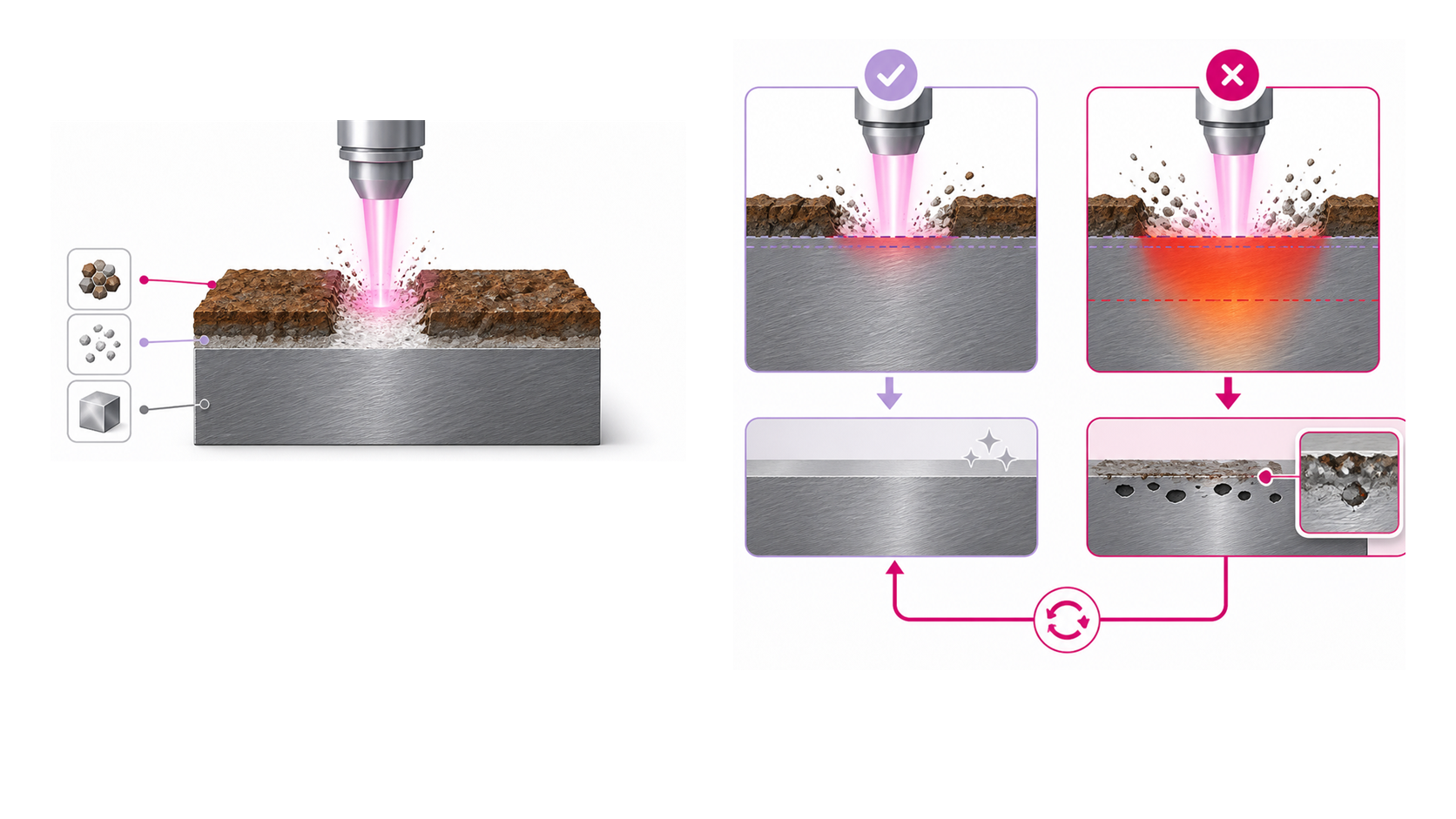
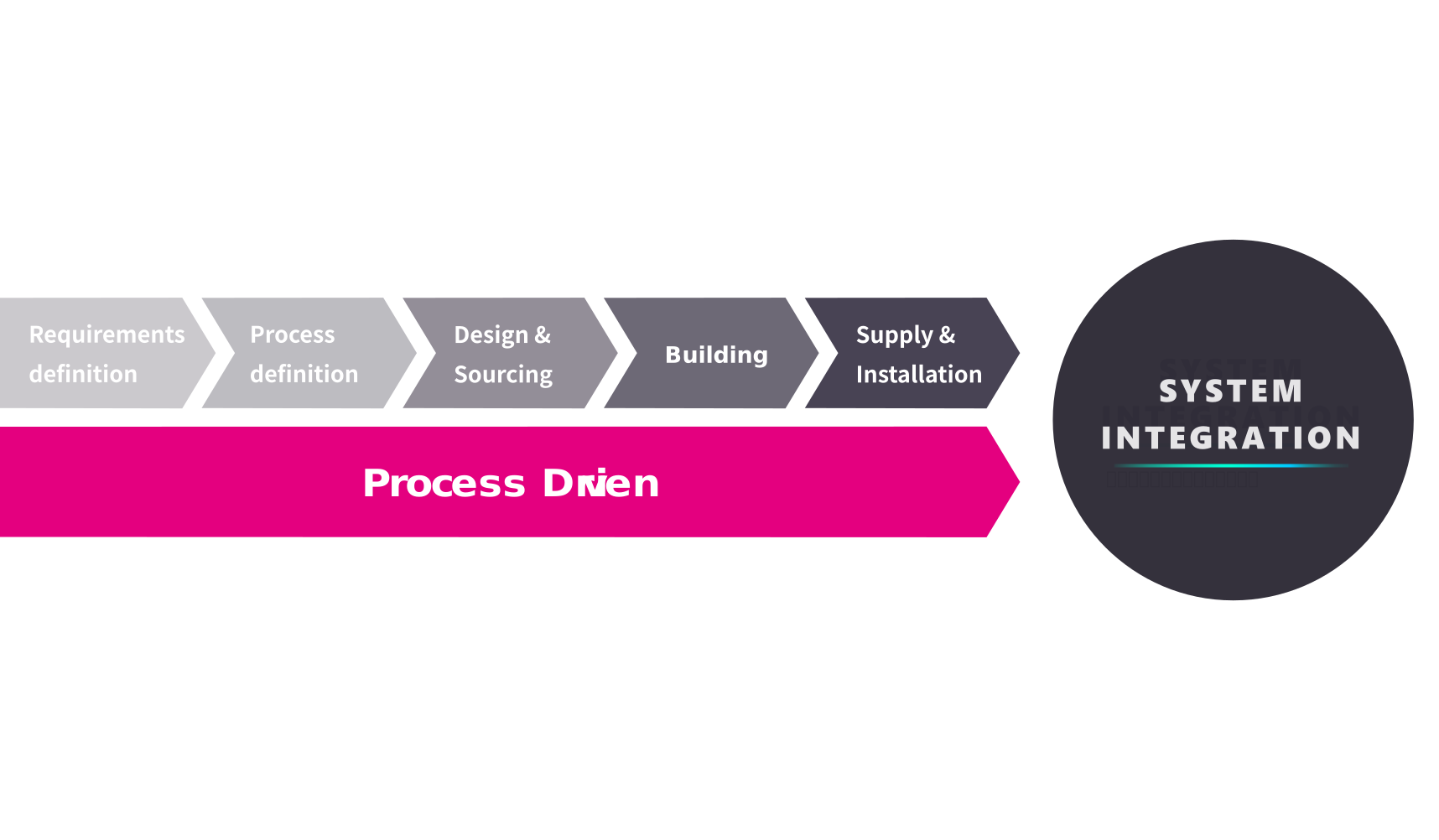
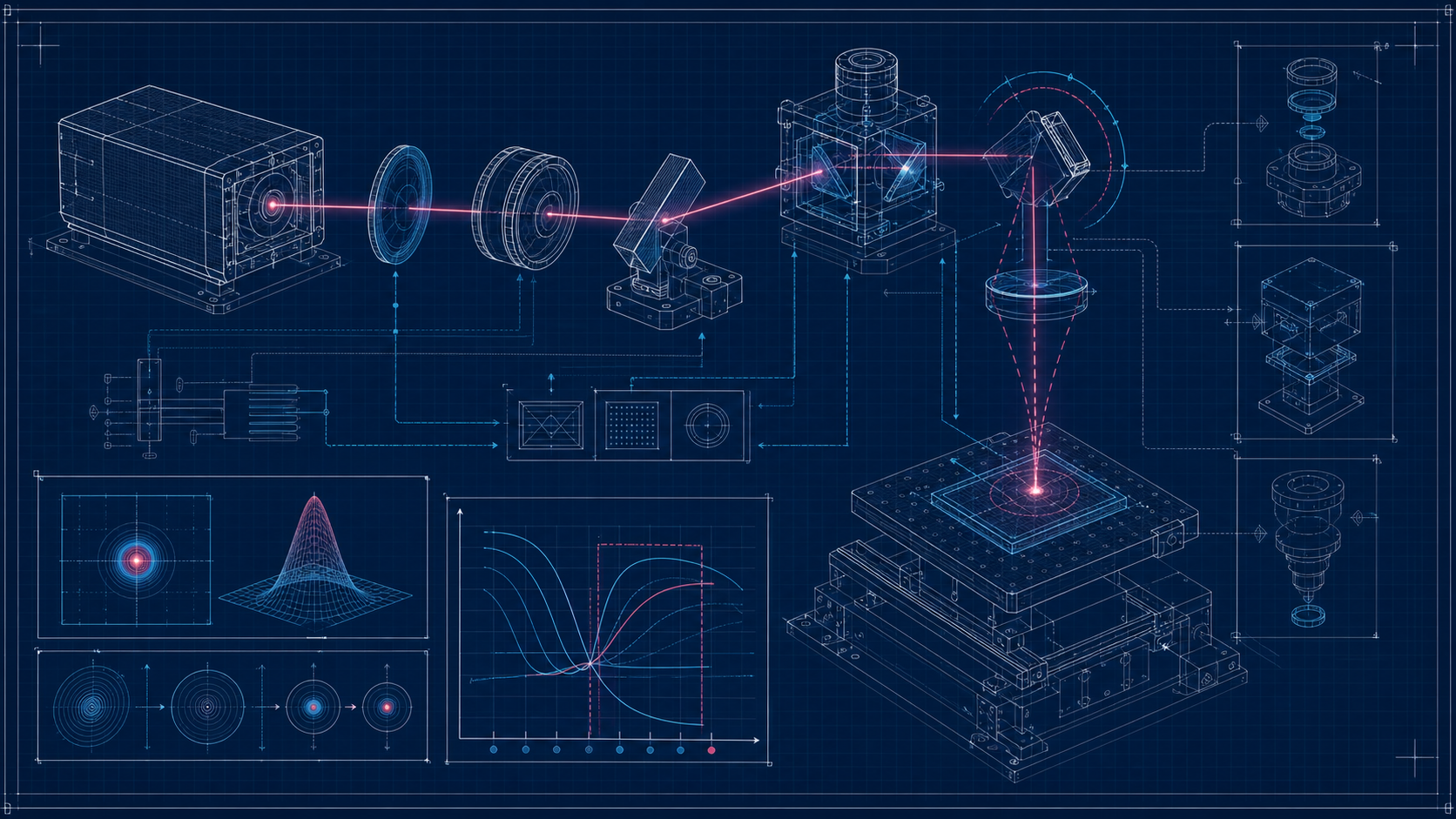
The essence of laser cleaning is not simply applying large amounts of heat to strip the surface layer. It is identifying the absorption and reaction difference between the rust, coating, or contamination to be removed and the base material to be preserved, and suppressing thermal influence within the range that meets the required removal quality. At the same time, portability, access, and work flow must be designed together.
Pre-Verification Based on Target Material and Field Conditions Is Critical
The conditions under which laser cleaning succeeds vary depending on the material of the target, the state of rust or coating, the required removal quality, the working environment, and access conditions. Therefore, rather than judging suitability solely by equipment output, pre-verification based on the target material and field conditions is essential.
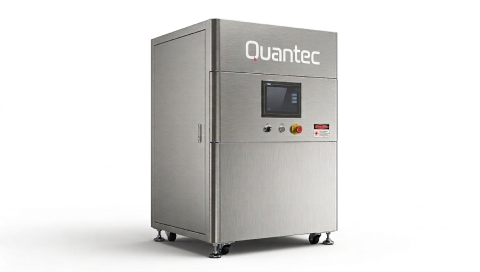
Quantec offers consultation from laser condition verification for the target material through process design for field deployment.