

CAPEX Recovery
Even the most environmentally effective equipment cannot reach production if the initial investment cannot be recovered. Environmental goals in manufacturing must be achievable as a capital investment, not just as a principle.



When environmental and manufacturing value work together, sustainability scales.
Chemicals, wastewater, consumables, working conditions, and recyclability have become recognized challenges that manufacturing must address.
Yet sustainable manufacturing is not only a question of corporate image or CSR. Production teams still need to answer a second question: can the replacement process run economically and reliably? A lower-impact process will not spread if capital investment cannot be recovered, takt time is too slow, maintenance is too demanding, or the process cannot be integrated into existing lines.
Even the most environmentally effective equipment cannot reach production if the initial investment cannot be recovered. Environmental goals in manufacturing must be achievable as a capital investment, not just as a principle.
Equipment that increases chemical use, wastewater treatment, consumables, maintenance, temperature control, or downtime is difficult to use in practice — even if it reduces environmental impact. Sustainable manufacturing requires that environmental improvement come alongside reduced operational burden, or at minimum no increase in it.
A cleaner process still needs the speed and repeatability required by the production line.
Stable multi-site operation requires practical adjustment, replacement, and environmental-control requirements.
The strongest replacement removes chemical, cleaning, contact-processing, handling, or rework steps.
Laser processing connects naturally to chemical-free, lower-waste, non-contact, and shorter-process manufacturing. However, not every laser source fits every production context.
UV picosecond lasers, for example, offer excellent non-thermal micro-processing quality — but installation cost and optical-component replacement can make production-scale adoption difficult. Laser characteristics are only a starting point for the question.
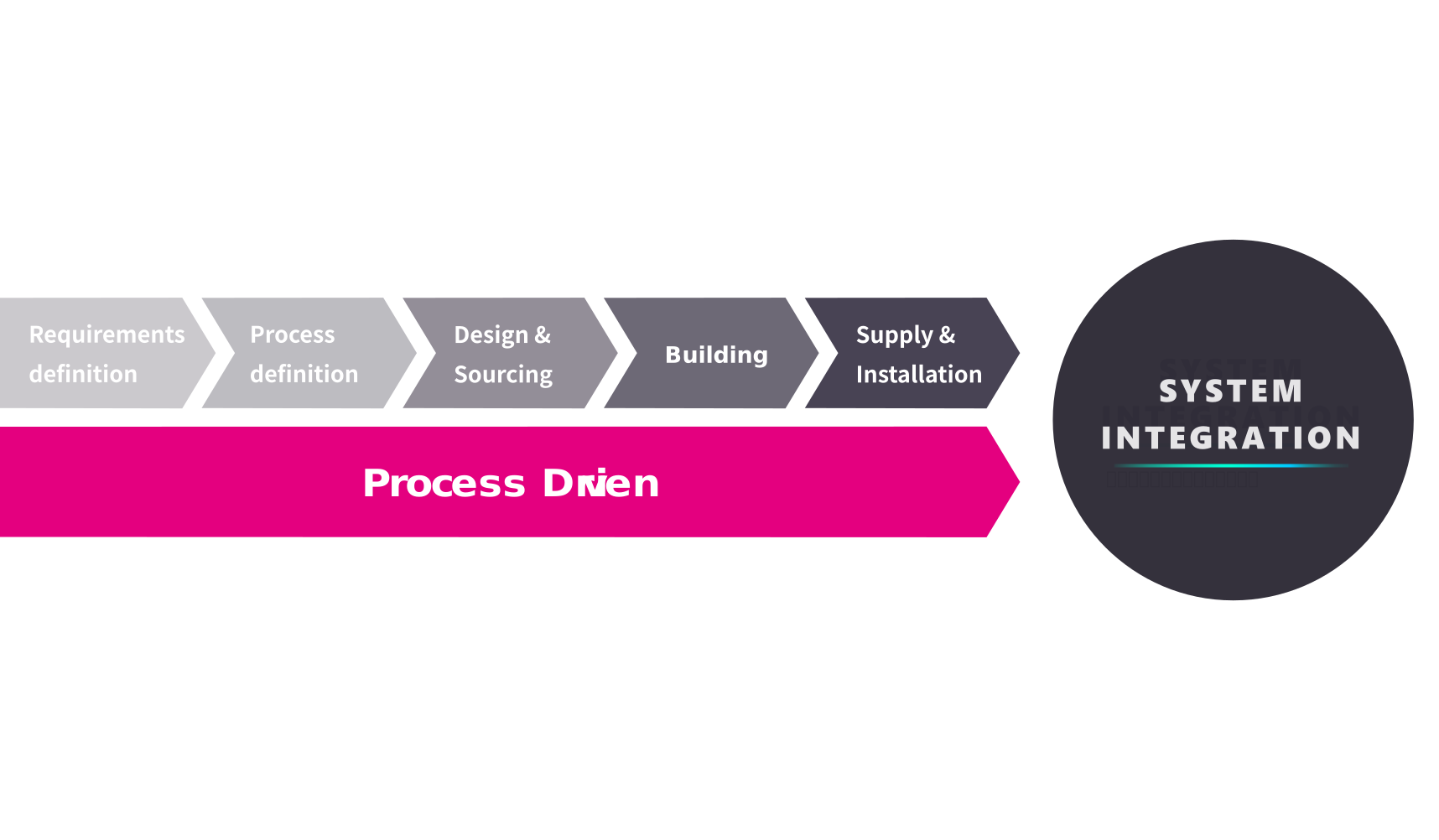
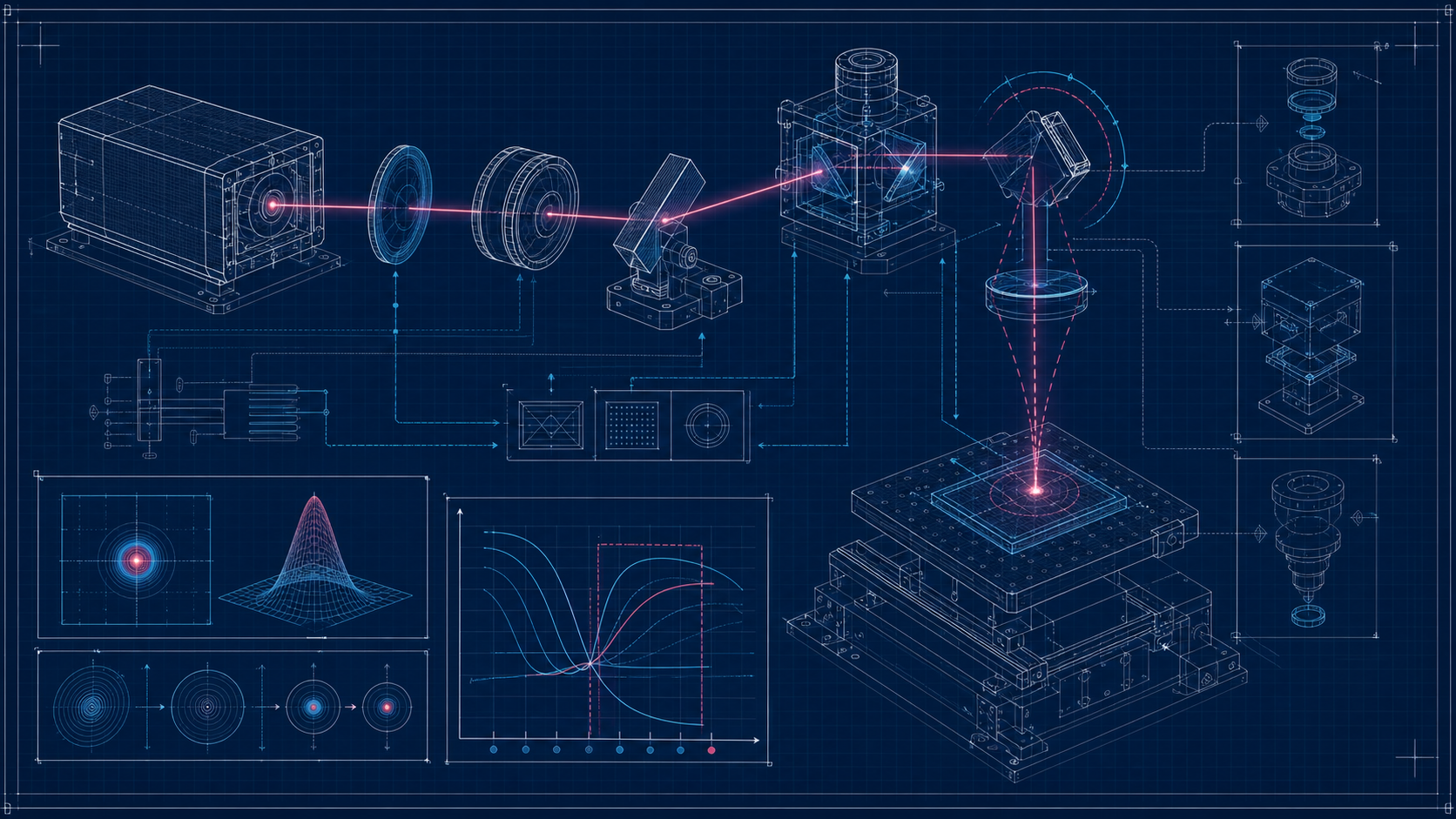
The right question is not "Which laser is most advanced?" It is: what is the minimum-sufficient process that meets quality, takt time, maintenance, and total-cost requirements? Quantec works backward from the material and required outcome to design and implement the process.
This process-first design is how Quantec helps manufacturing operations achieve both economic and environmental sustainability.
Chemical-free patterning, laser cleaning without thermal damage, and mono-material packaging film processing show the same principle across different industries: environmental value only becomes viable when the process also works reliably in production.
 Why Chemical-Free Patterning Matters in Manufacturing
Laser patterning can reduce chemical waste and washing steps, connecting environmental goals with permitting, operating risk, and shorter processes.
Read Insight
Why Chemical-Free Patterning Matters in Manufacturing
Laser patterning can reduce chemical waste and washing steps, connecting environmental goals with permitting, operating risk, and shorter processes.
Read Insight
 Laser Cleaning Needs a Field-Ready Process, Not Just More Power
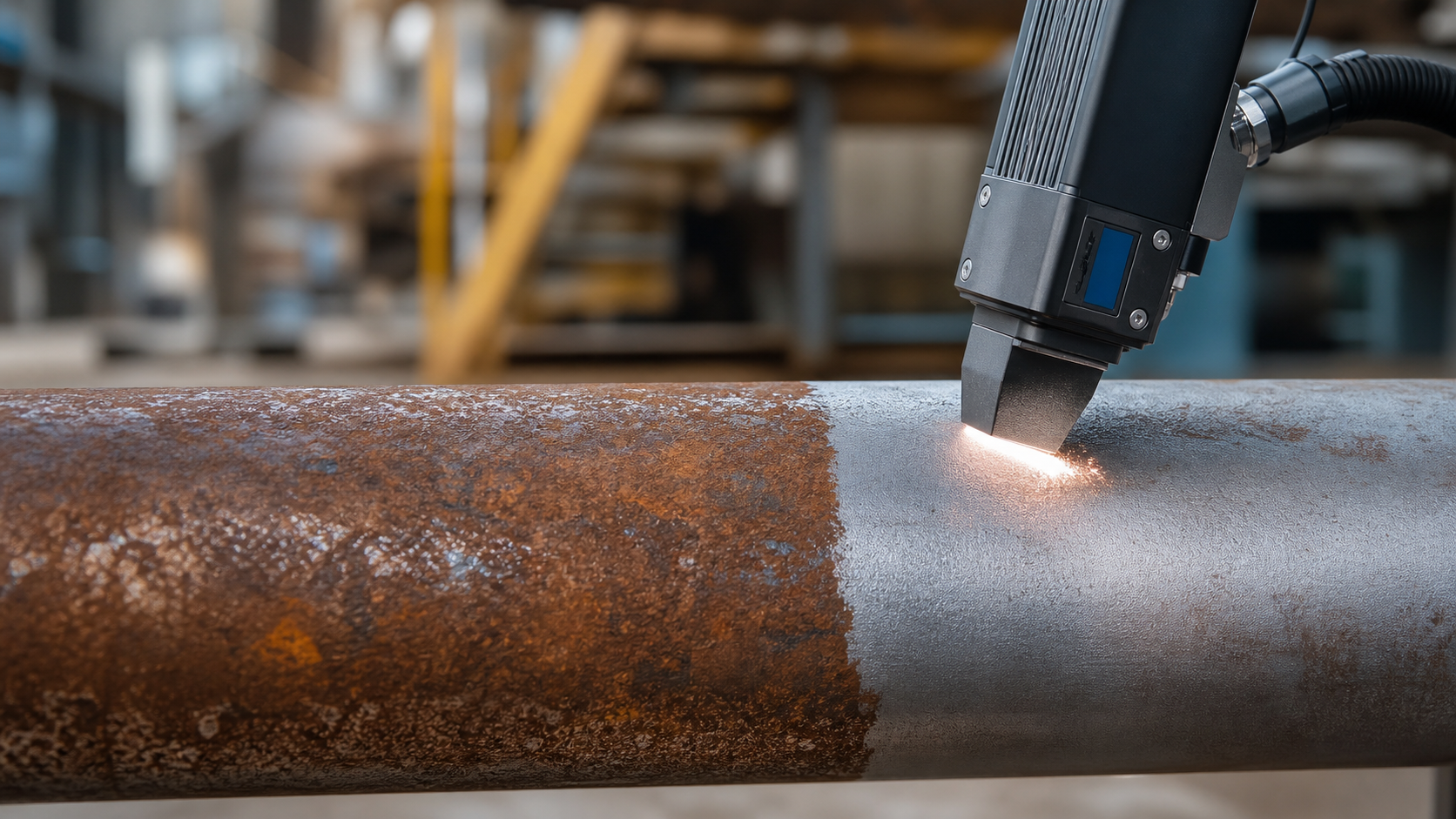
Effective laser cleaning must consider thermal influence, portability, access, and rework risk, not removal rate alone.
Read Insight
Laser Cleaning Needs a Field-Ready Process, Not Just More Power
Effective laser cleaning must consider thermal influence, portability, access, and rework risk, not removal rate alone.
Read Insight
 Why Mono-Material Tablet Packaging Requires Precision Film Processing
European regulations are pushing PTP tablet packaging toward mono-material structures. Achieving recyclability alongside moisture resistance, sealing, and easy opening requires a production-ready precision film process.
Read Insight
Why Mono-Material Tablet Packaging Requires Precision Film Processing
European regulations are pushing PTP tablet packaging toward mono-material structures. Achieving recyclability alongside moisture resistance, sealing, and easy opening requires a production-ready precision film process.
Read Insight
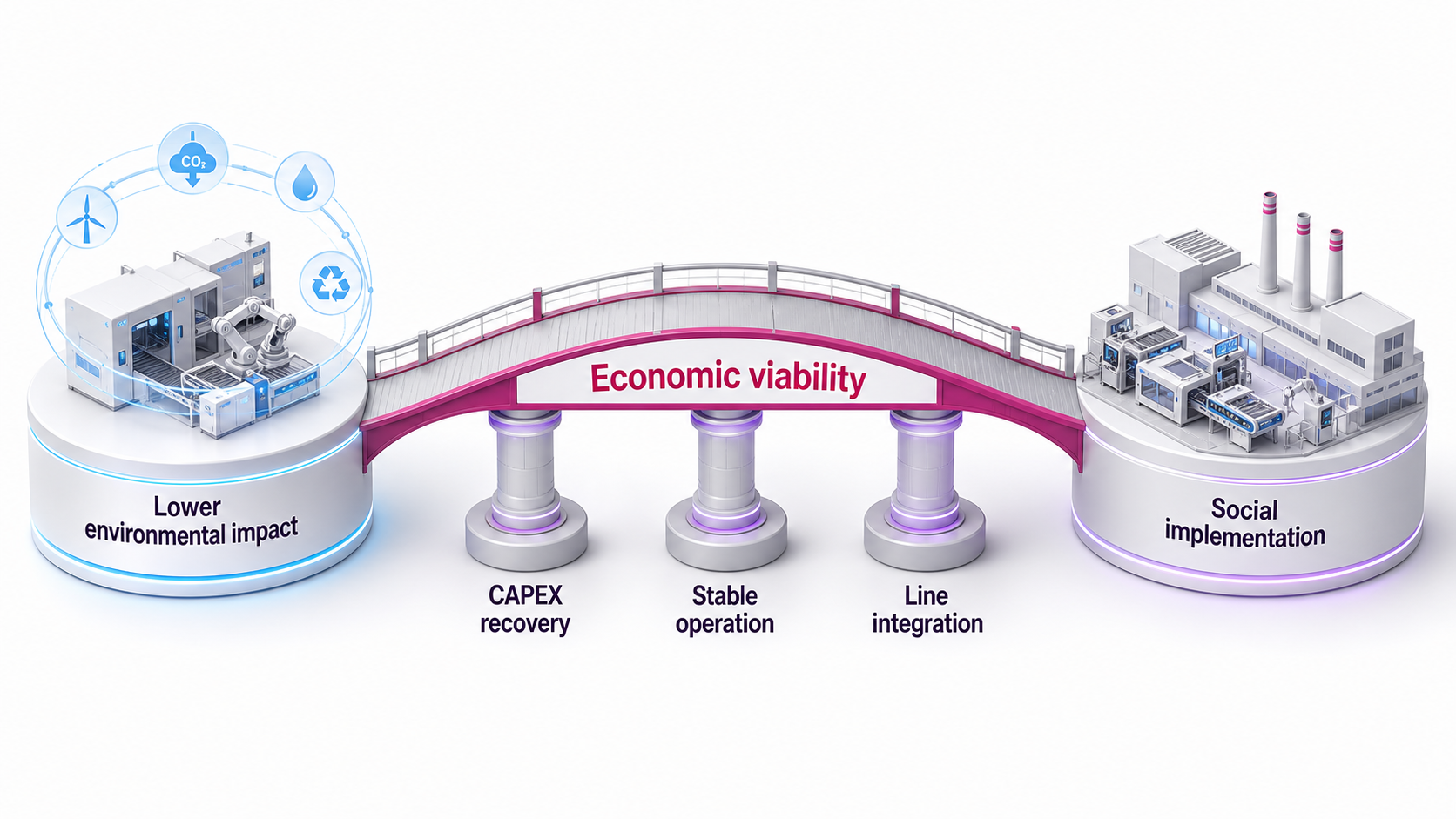
Even a technology with clear environmental advantages requires economic viability — the ability to recover the investment — before it can achieve widespread adoption in manufacturing.
That makes the design question central: which process, under which conditions, and in what replacement sequence.
Quantec does not propose based on light source or equipment first. We work backward from the material and the required processing outcome, designing and implementing the process.
This process-first design is how we help manufacturing operations achieve economic viability — and, through it, advance adoption as a technology that is sustainable from both economic and environmental perspectives.